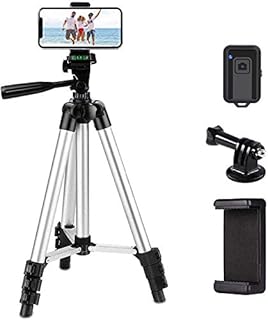
The Ultimate Guide to Using a Camera Tripod for Long Exposure Shots
Introduction
Long exposure photography can produce stunning images that capture motion and light in a unique way. However, achieving sharp and clear long exposure shots can be challenging without the right equipment. One essential tool for successful long exposure photography is a camera tripod. In this guide, we will explore how to use a camera tripod effectively to achieve impressive long exposure shots.
1. Choose the Right Tripod
When it comes to long exposure photography, stability is key. A sturdy tripod is essential to ensure that your camera remains steady throughout the exposure. Look for a tripod that is made of high-quality materials, such as carbon fiber or aluminum, and has a weight capacity that can support your camera and lens. Additionally, consider the height and weight of the tripod, as you will need to carry it to different locations for your shoots.
2. Set Up Your Tripod Correctly
Before you start shooting, it is important to set up your tripod correctly to ensure stability. Extend the legs of the tripod fully and adjust them to the desired height. Make sure that the tripod is placed on a level surface to prevent any tilting during the exposure. If you are shooting on uneven terrain, you can use the adjustable legs of the tripod to level it out.
3. Use a Remote Shutter Release
To minimize camera shake during long exposure shots, it is recommended to use a remote shutter release or a self-timer function on your camera. This will allow you to trigger the shutter without physically touching the camera, reducing the risk of introducing vibrations that can result in blurry images. Alternatively, you can use the mirror lock-up feature on your camera to further reduce vibrations.
People Also Look For:
- JOILCAN Camera Tripod for Canon Nikon Sony, 65" Aluminum Alloy Tripod Stand with Detachable Head & Phone Holder & Carry Bag, Light...
- Manbily E-222 Monopod for Cameras, 165cm Camera Monopod, 5 Sections Aluminum Travel Canon Nikon Sony DSLR Video Camcorder, Compact...
- Lammcou Camera Tripod Flexible Mini Small Travel Lightweight Compact Bendy Selfie Gorrila Tripod for DSLR Camera Vlogging Video Ca...
- Selfie Stick Tripod with 2 Fill Lights, 45'' Extra Long Phone Tripod with Detachable Remote, Compatible with iPhone, Samsung, Smar...
- K&F Concept 64 inch/163cm Camera Tripod, Lightweight Aluminum Travel Outdoor Tripod with Ball Head Load Capacity 8kg, Phone Holder...
4. Experiment with Different Exposure Times
Long exposure photography allows you to capture motion in a unique way by using longer shutter speeds. Experiment with different exposure times to achieve the desired effect in your images. Start with exposure times of a few seconds and gradually increase the duration to create stunning light trails or smooth water effects. Keep in mind that longer exposure times may require using a neutral density filter to prevent overexposure.
5. Consider Composition and Framing
When shooting long exposure shots, pay attention to composition and framing to create visually appealing images. Use leading lines, symmetry, and interesting subjects to draw the viewer's eye into the scene. Consider the placement of your camera and tripod to capture the desired perspective and ensure that the horizon is level. Take your time to compose the shot before pressing the shutter button.
6. Monitor the Exposure
As you shoot long exposure images, monitor the exposure to ensure that the highlights are not blown out and the shadows are not too dark. Use the histogram on your camera to check the exposure levels and make adjustments as needed. Consider using exposure bracketing to capture a series of shots with different exposures and blend them together in post-processing for optimal results.
7. Pack Essential Accessories
When shooting long exposure photography, it is important to pack essential accessories to enhance your shots. Consider bringing a lens hood to prevent lens flare, a flashlight for light painting, and a rain cover to protect your camera from the elements. Additionally, don't forget to bring extra batteries and memory cards to ensure that you have enough power and storage for your shoot.
8. Practice Patience and Persistence
Long exposure photography requires patience and persistence to achieve the desired results. Don't get discouraged if your first few attempts don't turn out as expected. Experiment with different techniques, compositions, and locations to improve your skills and create stunning long exposure shots. Remember that practice makes perfect, so keep practicing and refining your craft.
In conclusion, using a camera tripod is essential for successful long exposure photography. By choosing the right tripod, setting it up correctly, using a remote shutter release, experimenting with exposure times, considering composition and framing, monitoring the exposure, packing essential accessories, and practicing patience and persistence, you can capture stunning long exposure shots that will impress viewers. With the tips and techniques outlined in this guide, you can take your long exposure photography to the next level and create breathtaking images that showcase motion and light in a unique way.